
Cancer Risk Sparks FDA Ban on Popular Red Dye
By Nikki Thrace. Feb 5, 2025
The bright, cherry-red hue of many candies, snacks, and desserts might soon vanish from store shelves. The U.S. Food and Drug Administration (FDA) recently announced a long-awaited ban on FD&C Red No. 3, a synthetic dye scrutinized for decades due to its potential health risks. This landmark decision follows years of advocacy from consumer groups and mounting scientific evidence highlighting the additive’s dangers.
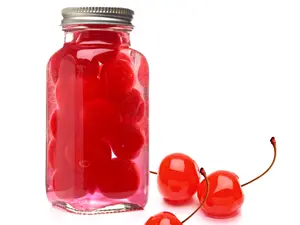
Known as erythrosine, Red No. 3 has long been a staple in the food industry, enhancing the visual appeal of everything from maraschino cherries to children’s vitamins. Approved for food use in the early 20th century, the dye became a go-to solution for manufacturers seeking to attract consumers with vibrant, eye-catching products. However, concerns over its safety have been mounting since the 1980s.
Why Is Red No. 3 Controversial?
The story of Red No. 3 is a case study in regulatory loopholes and delayed action. While the dye was banned from cosmetics in 1990 after being linked to cancer in male rats, its use in food continued unabated. At the time, the FDA cited its “permanent approval” status as a roadblock to outright removal from the food supply. This regulatory inconsistency allowed a substance deemed too hazardous for external use to remain in edible products.
Recent years have seen renewed pressure to address this inconsistency. A petition filed in 2022 by the Center for Science in the Public Interest (CSPI) highlighted the dye’s prevalence in products aimed at children. According to CSPI, Red No. 3 appears in more than 9,200 food items, including candies, baked goods, and snacks marketed as kid-friendly. This widespread exposure raised alarms about the cumulative health risks posed by the additive, particularly for vulnerable populations.
The Science Behind the Ban
The FDA’s decision to ban Red No. 3 is rooted in the Delaney Clause, a 1960 provision of the Federal Food, Drug, and Cosmetic Act. The clause prohibits the approval of additives shown to induce cancer in humans or animals. Data presented in the CSPI’s petition emphasized that high doses of the dye caused thyroid tumors in male laboratory rats, reinforcing earlier studies from the 1980s.
Jim Jones, deputy director of human foods at the FDA, said the agency could no longer authorize the dye, citing clear evidence from animal studies. “The FDA cannot authorize a food additive or color additive if it has been found to cause cancer in human or animals,” Jones stated, as reported by NBC News.
A Global Perspective
The U.S. is catching up with countries that have long restricted or banned synthetic dyes like Red No. 3. The European Union, Japan, and Australia were among the first to prohibit its use in foods, citing similar health concerns. Even within the U.S., California took proactive measures in 2023, banning Red No. 3 along with several other potentially harmful additives. These actions reflect growing awareness of food safety and a shift toward cleaner, more natural alternatives.
Globally, manufacturers have adapted to these restrictions by reformulating products with plant-based colorants like beet juice, turmeric, and annatto. These natural dyes offer a safer alternative, though they can be less stable and costlier to produce. In the U.S., the FDA’s timeline for compliance gives companies until January 2027 to remove the dye from food products, aiming to minimize disruptions while ensuring consumer safety.
Industry Reactions
For the food industry, the FDA’s ban is both a logistical and financial challenge. Reformulating products without compromising flavor, texture, or appearance is a delicate balancing act. Synthetic dyes like Red No. 3 are popular for their vibrancy, stability, and cost-effectiveness, making them difficult to replace without impacting the final product.
Major food manufacturers have responded with mixed reactions. Some companies had already begun phasing out synthetic dyes in response to consumer demand, particularly in states with stricter regulations like California. However, smaller manufacturers may face greater difficulties. Trade organizations, including the National Confectioners Association, have pledged to comply with the new regulations while emphasizing their commitment to consumer safety.
Health Impacts Beyond Cancer Risks
While the cancer risk associated with Red No. 3 has garnered the most attention, other health concerns also warrant consideration. Artificial dyes, including Red No. 3 and Red No. 40, have been linked to behavioral issues in children, particularly those with ADHD. A 2012 study published in the National Library of Medicine found that synthetic color additives “seem to affect children regardless of whether or not they have ADHD.”
Parents and caregivers have long reported anecdotal evidence of behavioral changes in children after consuming brightly colored foods and beverages. As awareness of these potential effects grows, demand for naturally colored and additive-free options continues to rise.
What Consumers Should Know
The FDA’s ban on Red No. 3 marks a significant step forward, but it doesn’t signal the end of synthetic dyes in the U.S. food supply. Other additives, including Red No. 40 and Yellow No. 5, remain widely used despite ongoing concerns about their safety. Consumers looking to minimize exposure to artificial dyes can take proactive steps:
- Read Labels: Look for terms like “FD&C Red No. 3” or “erythrosine” on ingredient lists. Awareness is key to making informed choices.
- Choose Natural Alternatives: Many brands now offer dye-free or naturally colored versions of popular products.
- Support Advocacy Efforts: Engage with organizations pushing for stricter food safety regulations and clearer labeling practices.
- Reduce Processed Foods: Cutting back on processed and ultra-processed foods can help limit exposure to synthetic additives across the board.
By staying informed and proactive, you can reduce potential risks for yourself and your family.
The FDA’s ban on Red No. 3 is a landmark decision, reflecting a growing emphasis on consumer health and safety. While the journey to this point was long and marked by regulatory inertia, the outcome demonstrates the power of science-backed advocacy. As the food industry navigates this transition, the hope is for a future where safer, more transparent practices become the norm.
References: FDA Bans Red No. 3 from Food and Drinks, Citing Cancer Risks | FD&C Red No. 3 | FDA Bans Red No. 3, Artificial Coloring Used in Beverages, Candy and Other Foods | Artificial Food Colors and Attention-Deficit/Hyperactivity Symptoms: Conclusions to Dye for

The Topline News team was assisted by generative AI technology in creating this content
Trending

Earn Massive Cash Back With This Card
Sponsored

Actor From 'Elf' and 'Friday' Arrested After Missing Child Support Hearing
Jordan Reyes

The Dumb Money Mistake Most People Make
Sponsored

Mail Carrier Killed Months After Losing Her Husband
Taylor Bennett

These 14 Benefits Could Save Seniors Thousands
Sponsored

Husband Sentenced to Life in Au Pair Murder Case
Taylor Bennett

'Get Him Out of Here' - Judge Orders Gilgo Beach Killer Removed After Families Speak
Alex Morgan

Teens Paid to Shoot and Film It. A Veteran Cop Was Killed Trying to Stop Them.
Jordan Reyes

Pastor Dies Hours Before Facing Wife's Murder Charge
Jordan Reyes

Mom's Birthday Text Came Hours Before Daughter Killed Her
Jordan Reyes

Nicole Brown Simpson Said 'I'd Rather Die' - Her Ex Finally Speaks
Dana Whitfield

They Planned Drone Bombs Over the Crowd. A Teenager's Mother Called the FBI.
Dana Whitfield

Cold Case Investigator Says Marilyn Monroe's Death Scene Was 'Too Pristine'
Jordan Reyes

Texas Psychics Charged After Telling Victims a Curse Required a Corvette
Alex Morgan

Missing Royal Caribbean Crew Member Found Dead in St. Kitts
Dana Whitfield

Georgia Couple Arrested for Murder After Bartender Found Dismembered in Reservoir
Dana Whitfield

IRS Agent Gets Life in Prison After Double Murder Plot With Family's Nanny
Alex Morgan

Alex Murdaugh's Murder Convictions Are Gone - He Is Still in Prison
Jordan Reyes

Three Women Charged in Daylight Murder of Young Mom
Alex Morgan
Psychotherapist, New Mom, Stabbed to Death at Home
Dana Whitfield

James Harden Pulled Over at 3 A.M., Booked by Dawn
Taylor Bennett

Mark Sanchez Stabbed 4 Times - Now Faces Prison
Alex Morgan

Jury Rejects Self-Defense, Sends Teen to Prison 35 Years for Track Meet Killing
Taylor Bennett

Actor From 'Top Gun: Maverick' Killed at Home - Arrest Made
Taylor Bennett