
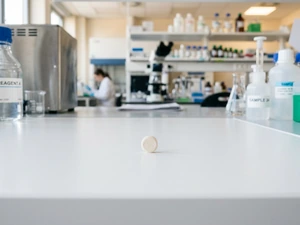
A Daily Pill Just Nearly Doubled Survival Time for Pancreatic Cancer Patients
By Taylor Bennett. May 31, 2026
The Breakthrough Doctors Have Waited Decades For
Pancreatic cancer kills more than 52,000 Americans every year. It is hard to detect before it spreads, resistant to most therapies, and has historically given patients with advanced disease only a narrow window of survival. For decades, the protein that drives tumor growth in more than 90 percent of cases - a mutated version of KRAS - was considered effectively untreatable. Researchers called it ‘undruggable.’
On May 31, 2026, that changed. A daily pill called daraxonrasib nearly doubled survival time in patients with advanced pancreatic cancer, according to findings published in the New England Journal of Medicine and presented at the American Society for Clinical Oncology meeting in Chicago. The results were covered the same day by CNN, ABC News, and the Associated Press.
‘While not curing the cancer, it is a very large step forward,’ said Dr. Zev Wainberg of UCLA, who helped lead the study.
What the Drug Does
Daraxonrasib works by blocking the KRAS mutation that fuels tumor growth - the same mutation present in more than 9 out of 10 pancreatic cancer cases. For decades, researchers could see this target clearly but could not find a compound that would bind to it effectively. The development of KRAS inhibitors has been described by oncologists as one of the most significant advances in cancer biology of the past 20 years.
The clinical trial randomly assigned 500 patients with metastatic pancreatic cancer - meaning cancer that had already spread to other organs and had stopped responding to prior treatment - to receive either daraxonrasib daily or additional chemotherapy. The patients on daraxonrasib lived nearly twice as long, and with fewer severe side effects than the chemotherapy group.
The Significance of What ‘Nearly Doubled’ Means
In cancer medicine, survival time for metastatic pancreatic cancer after failed prior treatment is often measured in weeks to a few months. Nearly doubling that figure is not an incremental improvement. It is a meaningful change in the trajectory of an illness that has historically offered patients very limited options at this stage.
Dr. Andrew Coveler of the Fred Hutchinson Cancer Center, who was not involved in the research, told the Associated Press: ‘This thing works drastically differently.’ He called the drug a likely ‘new standard of care’ for previously treated metastatic pancreatic cancer and said researchers would now explore its use earlier in the disease, including testing whether it could shrink tumors enough to make more patients eligible for surgery.
What Comes Next
Daraxonrasib targets one specific KRAS subtype. Researchers told the Associated Press that other drugs currently in development target different KRAS subtypes, broadening the potential patient population that could eventually benefit. Early-stage research is also exploring therapeutic vaccines designed to prevent pancreatic cancer recurrence after surgery by training the immune system to recognize the mutated protein before tumors can regrow.
Cancer specialists not involved in the trial expressed cautious optimism that this finding represents a turning point. Dozens of experimental drugs are currently in development that target the KRAS gene family. Daraxonrasib is the first of this class to produce results strong enough to change clinical practice.
The Larger Picture
The American Cancer Society estimates that roughly 67,000 new pancreatic cancer cases will be diagnosed in the United States in 2026. Most are detected at a late stage, when treatment options are limited and prognosis is poor. The five-year survival rate has historically been among the lowest of any major cancer type - under 12 percent overall.
That context is what makes today’s findings significant beyond the trial itself. A drug that nearly doubles survival time in the hardest-to-treat stage of one of medicine’s most resistant cancers is exactly the kind of result the field has needed. The research does not end here - but for patients and families facing pancreatic cancer, the direction it points is the right one.
References: Experimental Pill Promises New Hope for Deadly Pancreatic Cancer | Experimental Pill Promises New Hope for Deadly Pancreatic Cancer | Experimental Pill Promises New Hope for Pancreatic Cancer

The Topline News team was assisted by generative AI technology in creating this content
Trending

Earn Massive Cash Back With This Card
Sponsored

Mom's Birthday Text Came Hours Before Daughter Killed Her
Jordan Reyes

The Dumb Money Mistake Most People Make
Sponsored

Body Parts Found in 2 Minnesota Lakes in 1993 Finally Identified
Taylor Bennett

These 14 Benefits Could Save Seniors Thousands
Sponsored

Georgia Couple Arrested for Murder After Bartender Found Dismembered in Reservoir
Dana Whitfield

Nicole Brown Simpson Said 'I'd Rather Die' - Her Ex Finally Speaks
Dana Whitfield
IRS Agent Gets Life in Prison After Double Murder Plot With Family's Nanny
Alex Morgan

James Harden Pulled Over at 3 A.M., Booked by Dawn
Taylor Bennett

Mark Sanchez Stabbed 4 Times - Now Faces Prison
Alex Morgan
Psychotherapist, New Mom, Stabbed to Death at Home
Dana Whitfield

Alex Murdaugh's Murder Convictions Are Gone - He Is Still in Prison
Jordan Reyes

They Planned Drone Bombs Over the Crowd. A Teenager's Mother Called the FBI.
Dana Whitfield

Mail Carrier Killed Months After Losing Her Husband
Taylor Bennett

Jury Rejects Self-Defense, Sends Teen to Prison 35 Years for Track Meet Killing
Taylor Bennett

Husband Sentenced to Life in Au Pair Murder Case
Taylor Bennett

'Get Him Out of Here' - Judge Orders Gilgo Beach Killer Removed After Families Speak
Alex Morgan

Missing Royal Caribbean Crew Member Found Dead in St. Kitts
Dana Whitfield
Three Women Charged in Daylight Murder of Young Mom
Alex Morgan

Pastor Dies Hours Before Facing Wife's Murder Charge
Jordan Reyes

Actor From 'Elf' and 'Friday' Arrested After Missing Child Support Hearing
Jordan Reyes

Cold Case Investigator Says Marilyn Monroe's Death Scene Was 'Too Pristine'
Jordan Reyes

Actor From 'Top Gun: Maverick' Killed at Home - Arrest Made
Taylor Bennett

Teens Paid to Shoot and Film It. A Veteran Cop Was Killed Trying to Stop Them.
Jordan Reyes