
The 1964 Murder Dozens Saw, Yet No One Stopped
By Jennifer A.. Sep 6, 2024
Imagine walking alone on the streets of New York at 3 a.m., when suddenly, a figure emerges from the darkness and brutally attacks you. Now, imagine this horrifying scene playing out in front of dozens of people - yet no one comes to your rescue. This isn’t fiction - it’s the tragic reality of what happened to Kitty Genovese on March 13, 1964, in Kew Gardens, Queens, New York. The shocking details of her murder not only exposed the dark side of human nature but also led to profound changes in how we respond to emergencies.
Who Was Kitty Genovese?
Catherine “Kitty” Genovese, 28, was a New York woman with a lively spirit. Working as a late-night bar manager in 1964, Genovese was known for her bright personality and dedication to her job. On a regular night after work, an assailant brutally murdered this unsuspecting New Yorker on her way home from work - a tragedy that would become a catalyst for significant changes in society.
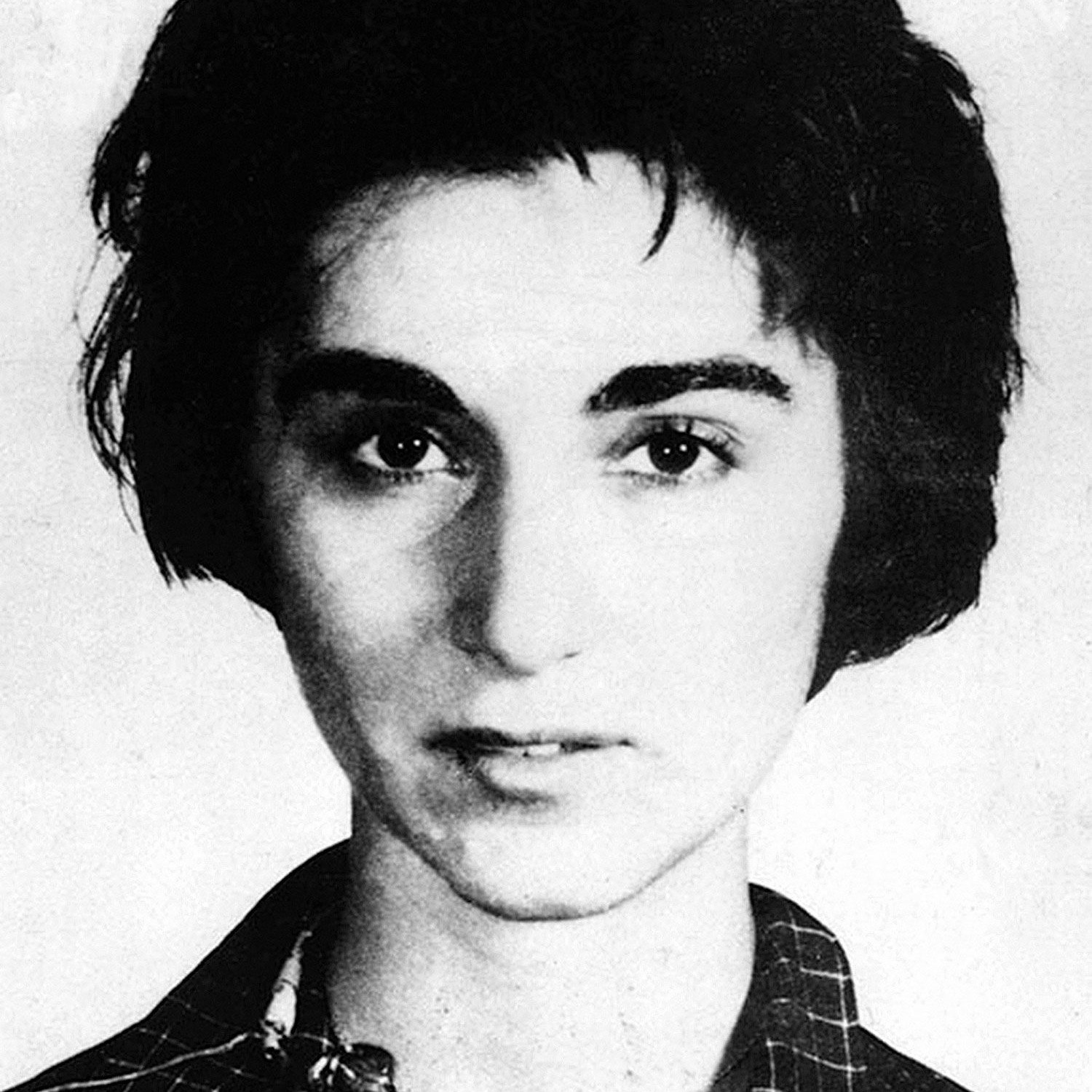
Kitty Genovese, 1961. Photo courtesy of New York Police Department. Public Domain.

What Happened?
Around 3 a.m. on March 13, 1964, Genovese parked her car near her apartment and began the short walk home, like usual. Little did she know that just a few steps away lurked Winston Moseley, a man with a dark and twisted history.
Armed with a hunting knife, Moseley attacked Genovese, stabbing her twice in the back. She screamed for help, and although some neighbors heard her cries, most didn’t realize the severity of what was happening. The true number of people who saw or heard the attack isn’t known, but it is known that too many of those people assumed someone else would help.
A neighbor’s shout scared Moseley off temporarily - but he returned minutes later to finish what he had started. Genovese wasn’t picked up by an ambulance until 4:15 a.m. She died on the way to the hospital.
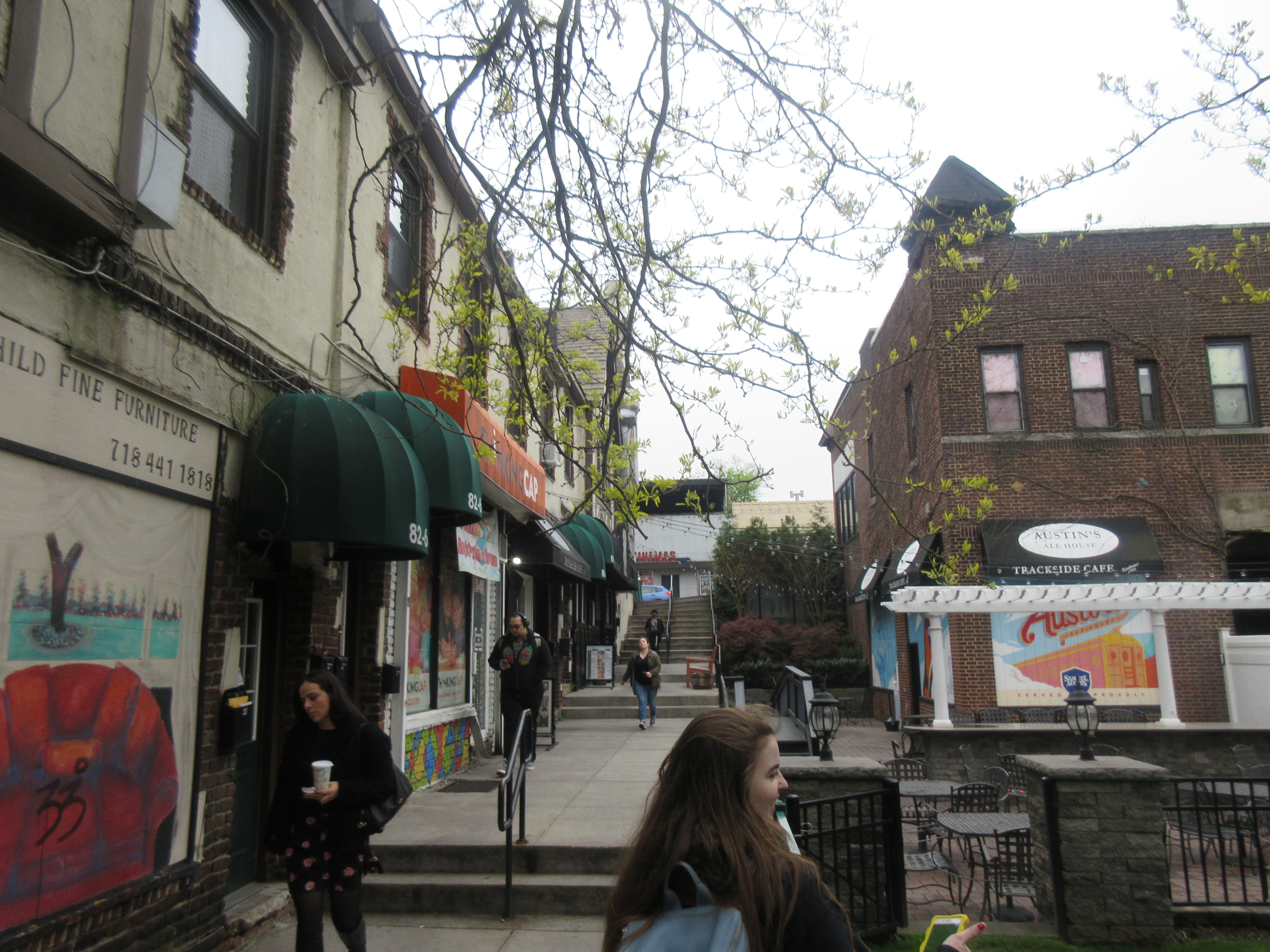
Site of the murder of Kitty Genovese in alleyway from Kew Gardens LIRR station to Lefferts Boulevard. Photo courtesy of Union Turnpike under CC BY 2.0.

What Is the Bystander Effect?
The Kitty Genovese case introduced us to something called the “bystander effect”. This is the idea that the more people who witness an emergency, the less likely anyone is to actually help. Sounds strange, right? But that’s exactly what psychologists John Darley and Bibb Latané discovered when they studied why people might not jump in to help during a crisis, especially when others are around.
Darley and Latané found that people often think, “Someone else will do something,” or they worry about making a fool of themselves if they misread the situation.
The bystander effect helped explain why, on that fateful night, most of the witnesses didn’t rush to Genovese’s aid when she needed it most.
Despite the initial reports that dozens of people witnessed the attack and did absolutely nothing, later investigations revealed more complexity to the situation.
In reality, some people tried to help from a distance, and some even called police - but confusion and fear got in the way of actually putting themselves in harm’s way to save Genovese.
How Did Sophia Farrar Help Genovese?
However, one person - Sophia Farrar - stood out as a beacon of courage that night. A neighbor of Genovese’s, Farrar didn’t hesitate when she heard about the attack. Despite the danger, she rushed to her dying neighbor’s side, forcing open a door to reach her.
Farrar found Genovese lying in a pool of blood and immediately cradled her in her arms, comforting her in her final moments. She called for another neighbor to phone the police, ensuring that Genovese wasn’t alone. Sophia’s brave actions drew a stark contrast to the story of inaction that would later dominate the headlines.
What Happened to Winston Moseley?
Moseley didn’t get away with his crime for long. Police arrested him just six days later during a burglary. When questioned, he not only admitted to killing Genovese but also confessed to other violent crimes.
His motive was chillingly simple: He wanted to kill.
Moseley had set out that night with the intention of murdering a woman - any woman. He had no personal connection with Genovese; she simply happened to be in the wrong place at the wrong time.
The courts quickly found Moseley guilty and sentenced him to death, although this was later changed to life in prison. He spent the rest of his days behind bars, passing away in 2016 after more than 50 years in prison.
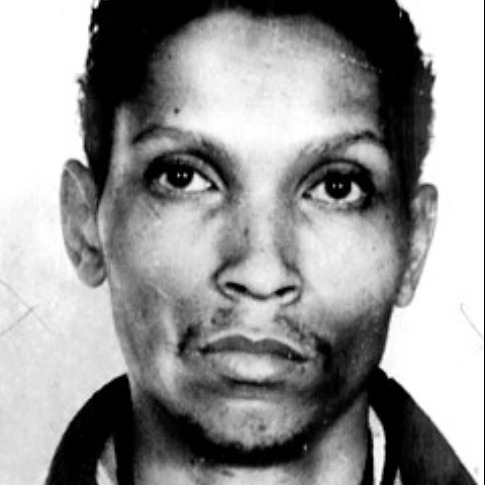
Winston Moseley, New York Police Department booking photograph, 1964. Photo by unidentified NYPD officer, courtesy of New York Daily News. Public domain.

How Did Kitty Genovese’s Murder Lead to the Creation of the 911 System?
At the time of Genovese’s murder, no single phone number existed for people to call in an emergency - no quick 911 to dial. If you needed help, you had to figure out the local police or fire department’s number or call the operator and hope for the best. This disjointed system made it difficult to get help fast.
The Kitty Genovese case showed just how much this system needed an upgrade. The confusion and delay in reporting the attack opened the public’s eyes, leading to serious discussions about how to streamline emergency calls. While the 911 system wasn’t created solely because of Genovese’s case, her tragic death played a major role in speeding up its development.
Just four years later, in 1968, the first 911 call was dialed, setting the stage for a new era in emergency response.
What Can We Learn From This Sad Story?
The murder of Kitty Genovese is a powerful reminder of the importance of stepping up in times of crisis. While the initial media story of dozens of silent witnesses turned out to be more myth than reality, it still forced us to look in the mirror and ask ourselves tough questions about our responsibility to each other.
Genovese’s death didn’t just change the way we think - it changed the way we act, leading to life-saving improvements such as the 911 system and a better understanding of human behavior in emergencies.
References: What Happened to Kitty Genovese | Bystander Effect In Psychology | Sophia Farrar Dies at 92; Belied Indifference to Kitty Genovese Attack

The Topline News team was assisted by generative AI technology in creating this content
Trending

Earn Massive Cash Back With This Card
Sponsored

Actor From 'Top Gun: Maverick' Killed at Home - Arrest Made
Taylor Bennett

The Dumb Money Mistake Most People Make
Sponsored
Alex Murdaugh's Murder Convictions Are Gone - He Is Still in Prison
Jordan Reyes

These 14 Benefits Could Save Seniors Thousands
Sponsored

Texas Psychics Charged After Telling Victims a Curse Required a Corvette
Alex Morgan

Nicole Brown Simpson Said 'I'd Rather Die' - Her Ex Finally Speaks
Dana Whitfield
Mail Carrier Killed Months After Losing Her Husband
Taylor Bennett
Mark Sanchez Stabbed 4 Times - Now Faces Prison
Alex Morgan
They Planned Drone Bombs Over the Crowd. A Teenager's Mother Called the FBI.
Dana Whitfield
IRS Agent Gets Life in Prison After Double Murder Plot With Family's Nanny
Alex Morgan
Psychotherapist, New Mom, Stabbed to Death at Home
Dana Whitfield

Actor From 'Elf' and 'Friday' Arrested After Missing Child Support Hearing
Jordan Reyes

'Get Him Out of Here' - Judge Orders Gilgo Beach Killer Removed After Families Speak
Alex Morgan
Husband Sentenced to Life in Au Pair Murder Case
Taylor Bennett

Missing Royal Caribbean Crew Member Found Dead in St. Kitts
Dana Whitfield

Pastor Dies Hours Before Facing Wife's Murder Charge
Jordan Reyes

Cold Case Investigator Says Marilyn Monroe's Death Scene Was 'Too Pristine'
Jordan Reyes
Three Women Charged in Daylight Murder of Young Mom
Alex Morgan

Georgia Couple Arrested for Murder After Bartender Found Dismembered in Reservoir
Dana Whitfield
Jury Rejects Self-Defense, Sends Teen to Prison 35 Years for Track Meet Killing
Taylor Bennett
James Harden Pulled Over at 3 A.M., Booked by Dawn
Taylor Bennett
Teens Paid to Shoot and Film It. A Veteran Cop Was Killed Trying to Stop Them.
Jordan Reyes
Mom's Birthday Text Came Hours Before Daughter Killed Her
Jordan Reyes